
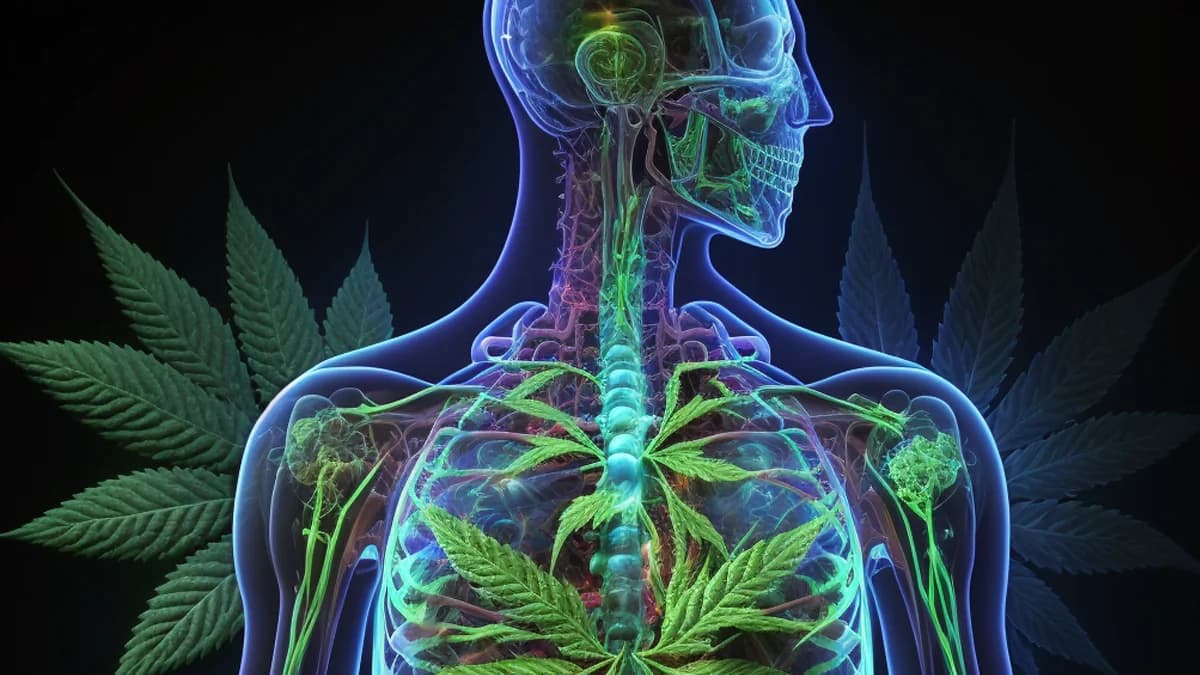
The Role of Cannabinoids in Pain Management
Cannabis 1014 min read

The Role of Cannabinoids in Pain Management

Cenk CetinEditor-in-Chief
Published: 18 May 2023
4 min read

As the legalization of cannabis continues to spread across the globe, Thailand is emerging as a promising market for cannabis delivery services. With the therapeutic potential of cannabinoids gaining...

As the legalization of cannabis continues to spread across the globe, Thailand is emerging as a promising market for cannabis delivery services. With the therapeutic potential of cannabinoids gaining recognition, more people are turning to cannabis as a natural alternative to traditional pain management methods. The potential of cannabis in the medical realm cannot be understated, which is why we want to explore the intersection of cannabinoids and pain relief.

Types of cannabinoids and their effects on pain

When it comes to managing pain, cannabinoids have emerged as a potential solu...

The Cannabinoid THC

THC, the psychoactive compound in cannabis, has been shown to have pain-relie...

The Cannabinoid CBD CBD, on the other hand, is non-psychoactive and has been found to have the potential for reducing nerve pain and inflammation. A 2018 study published in the journal Therapeutics and Clinical Risk Management found that CBD was effective in reducing pain and improving sleep in patients with chronic pain related to multiple sclerosis (MS). Another study published in the European Journal of Pain found that topical application of CBD reduced pain and inflammation in rats with arthritis.

Lesser-known Cannabinoids

In addition to THC and CBD, there are other lesser-known cannabinoids that ar...

Examples of studies on the use of cannabinoids for pain management

Studies have shown that cannabinoids have promising potential in pain management. Two notable examples are the 2019 study “Tetrahydrocannabinol/Cannabidiol Oromucosal Spray for Multiple Sclerosis-Related Resistant Spasticity” by Diego Centonze et al and the 2018 study “Cannabidiol in Patients with Chronic Pain” by Ethan B. Russo.

In the study by Centonze et al, patients with multiple sclerosis-related spasticity were given an oromucosal spray containing tetrahydrocannabinol (THC) and cannabidiol (CBD). The study found that the spray was effective in reducing spasticity and improving patients’ quality of life.

The study by Russo focused on the use of CBD in patients with chronic pain. The study found that CBD was effective in reducing pain and improving sleep in patients with chronic pain conditions such as fibromyalgia, neuropathic pain, and rheumatoid arthritis.

These studies demonstrate the potential of cannabinoids in pain management and suggest that further research is needed to explore their effectiveness in treating different types of pain. As more research is conducted, it is becoming increasingly clear that cannabinoids have the potential to be a safe and effective alternative to traditional pain management medications.

Cannabinoids in Thai Traditional Medicine

One such remedy that has been used in TTM for centuries is cannabis.

Cannabis has been used in TTM to treat a variety of ailments, including pain ...

In modern-day Thailand, TTM practitioners continue to use cannabis and cannabinoids for pain management. The Thai government recently legalized recreational cannabis, but that wasn’t the first major shift in policy regarding this plant. Thailand legally recognized the potential for treating a variety of conditions, which resulted in the country becoming the first Southeast Asian country to legalize medical cannabis, paving the way for further research on its medical applications.

Conclusion

Cannabinoids have shown promising potential in the management of pain, with research indicating their effectiveness in reducing inflammation, nerve pain, and spasticity. The intersection of cannabinoids and traditional medicine, particularly in the context of Thai traditional medicine, has revealed the historical use of cannabis for pain relief and relaxation.

As the use of cannabinoids becomes more mainstream, it is important to continue conducting research and integrating traditional medicinal practices to optimize their potential for pain management. Overall, the combination of cannabinoids and traditional medicine presents a promising avenue for those seeking alternative solutions to pain relief.

Share this article:

Frequently Asked Questions

To get a medical cannabis prescription in Thailand, you need to consult with a licensed medical practitioner (doctor, psychiatrist, or traditional Thai medicine practitioner). You can book a consultation through our platform at Cannabox MD, where you'll have a virtual or in-person consultation to discuss your condition and determine if medical cannabis is right for you.

Yes, medical cannabis is legal in Thailand as of 2025. However, it requires a valid prescription from a licensed medical practitioner. Recreational use without a prescription is illegal. The new regulations require all cannabis purchases to be accompanied by proper medical documentation.

Medical cannabis in Thailand can be prescribed for various conditions including chronic pain, anxiety, depression, PTSD, insomnia, epilepsy, cancer-related symptoms, and other qualifying medical conditions. Your doctor will evaluate your specific situation during the consultation to determine if you qualify.

Medical cannabis prescriptions in Thailand typically last for 30 days, after which you'll need a follow-up consultation to renew your prescription. This ensures proper monitoring of your treatment and allows your doctor to adjust your treatment plan as needed.

No, under the new 2025 regulations, medical cannabis prescriptions are only available to Thai residents and those with valid long-term visas. Cannabis tourism has been explicitly prohibited by the Thai government. Tourists attempting to purchase or possess cannabis without proper authorization face legal consequences.

With a valid prescription, you can access various medical cannabis products including flowers (buds), oils, tinctures, capsules, and topicals. The specific products and dosages will be recommended by your doctor based on your medical condition and treatment needs.

Related Articles

The Art of Traceability in Thai Cannabis: Ultimate Guide (Vol 1)
Cannabis 101

The Art of Traceability in Thai Cannabis: Ultimate Guide (Vol 1)

Introduction “The Art of Traceability” is a comprehensive guide on track-and-trace tailored specifically for the cannabis industry, with a special focus on Thai growers and the numerous cannabis...

Understand the Thai Cannabis Ecosystem with 4 Questions
Cannabis 101

Understand the Thai Cannabis Ecosystem with 4 Questions

What is HighThailand’s mission? How do you help Thai cannabis ecosystem? Our mission, at a high level, is to be part of and contribute to a uniquely identifiable, fully developed and socially and...

Ready to Start Your Journey?

Explore our products and find the perfect cannabis solution for your needs