CBD stands for cannabidiol, a compound found in the cannabis plant. CBD does not produce the characteristic high associated with THC. It can still affect the body, cause side effects and interact with medicines.
This guide explains the difference between CBD and THC, the main product formats, what the evidence says and how to read a CBD label before choosing a product.

 CBD explained
Can affect the body and interact with medicines.
Can affect perception, memory and coordination.
A CBD product may also contain THC. Check the label and batch test report.
CBD vs THC: what is the difference?
CBD and THC are cannabinoids. These are compounds found in cannabis, but their effects are different. A bottle labelled CBD is not automatically THC-free.
| Question | CBD | THC |
|---|---|---|
| Full name | Cannabidiol | Tetrahydrocannabinol |
| Does it produce a high? | Does not produce the characteristic THC high | Can produce a high and affect perception, memory and coordination |
| What should you check? | CBD amount, ingredients, directions and medicine interactions | THC amount and whether the product is appropriate for you |
Cannabis is the plant; CBD is one of its compounds. Hemp refers to varieties of cannabis grown for uses such as fibre and extracts, often with low THC. The name alone does not establish the contents or legal status of a finished product. NCCIH cannabinoid overview.
Where does CBD oil come from?
CBD can be extracted from cannabis and formulated into different products. A CBD oil usually combines a CBD-containing extract with a carrier oil. The carrier oil, extract composition and intended use can differ between bottles.
CBD oil and hemp seed oil are different descriptions. Do not use a hemp leaf on the packaging, the colour of an oil or a brand name to infer its CBD content. Look for an explicit CBD amount and supporting product information.
What does CBD do? What the evidence shows
A defined prescription CBD medicine is different from a retail oil, gummy or cosmetic. Research on one preparation does not establish that every CBD product has the same effect.
| Question | What the evidence means for a beginner |
|---|---|
| Are there established medical uses? | In the US, the prescription CBD medicine Epidiolex is approved for seizures associated with three specified conditions. This is not approval of ordinary retail oils. |
| Does CBD help anxiety? | Small human studies have explored CBD for anxiety. They do not establish that any retail CBD product treats an anxiety disorder. |
| What about sleep or pain? | Studies often involve different cannabinoids or mixed preparations. Their findings cannot simply be transferred to CBD alone or a particular shop product. |
| Does CBD treat cancer? | Retail CBD products are not established cancer treatments. Do not replace prescribed cancer care with CBD. |
The three Epidiolex indications are Lennox-Gastaut syndrome, Dravet syndrome and tuberous sclerosis complex in patients aged one year and older. This is a medicine used under clinical supervision. US approval also does not establish Thai registration or permitted sale. FDA cannabis-derived medicines, NCCIH research summary.
For more detail, read our guides to cannabis and sleep and mental-health evidence.
CBD oils, gummies and topicals
Product format changes what you need to check. An oil for external use is not an oral oil, and a cosmetic is not a prescription medicine.
CBD explainedCheck whether the label specifies oral or external use.
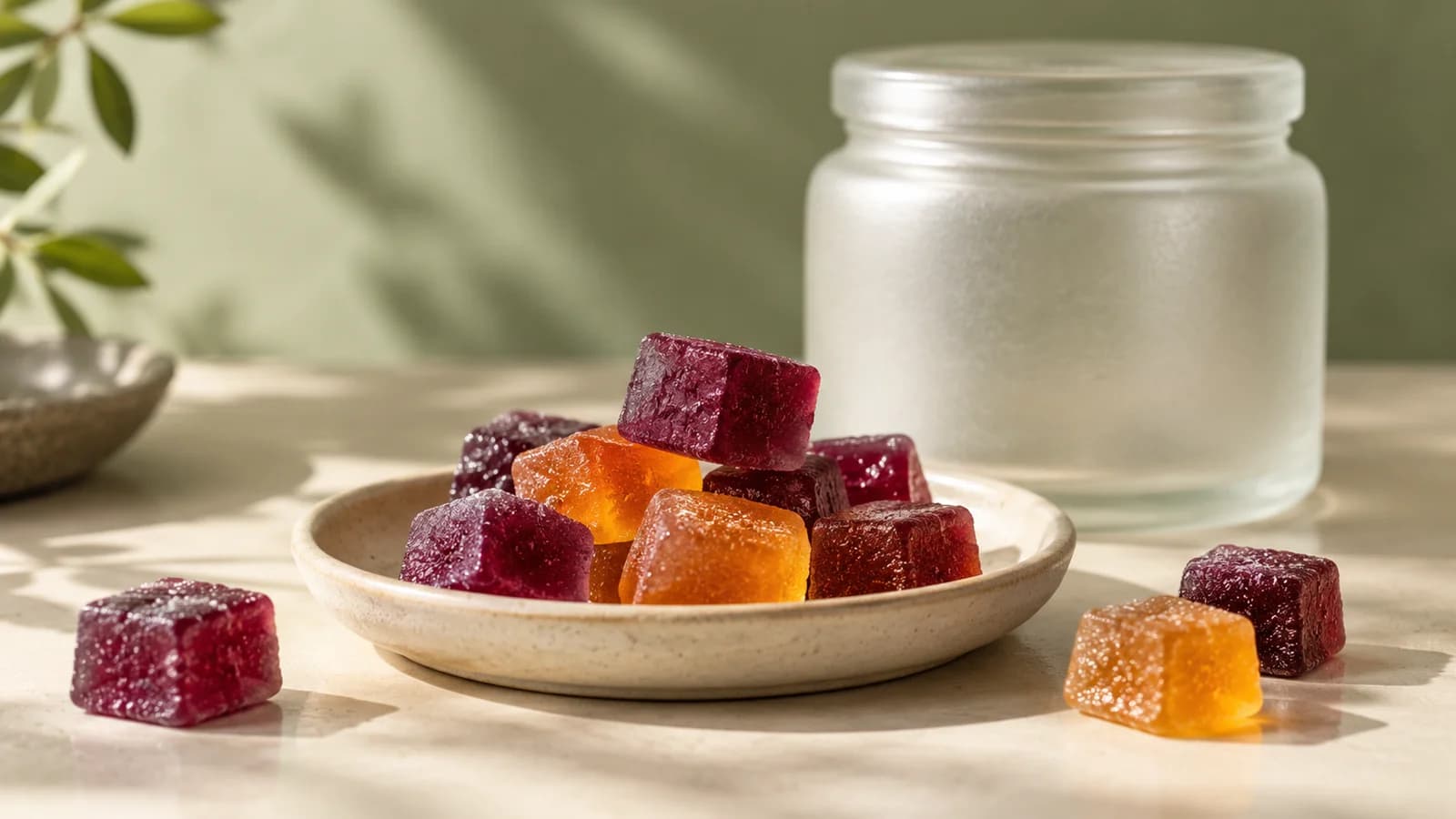
Check the piece count, ingredients and allergens.
Lotions and balms are not products to swallow.
Formats are not interchangeable. Follow the directions for the exact product.
| Format | What to read on the label |
|---|---|
| CBD oil | Intended route, total CBD, bottle volume, concentration and directions |
| CBD gummies | CBD per piece, pieces per pack, ingredients, allergens and directions |
| CBD topicals | External-use instructions, ingredients and where the product may be applied |
Follow the exact product's directions. There is no single onset time, duration or number of drops that applies to every CBD product. A name such as “sleep” or “pain relief” does not establish a treatment outcome.
CBD side effects and medicine interactions
CBD can cause sleepiness, digestive symptoms and medicine interactions. Liver injury is also a recognised risk. Some problems may require clinical monitoring rather than being obvious to the person using a product. FDA CBD safety guidance.
- Tell your clinician about prescription medicines, medicines bought without a prescription, supplements and alcohol use.
- Alcohol or sedating medicines can increase drowsiness when combined with CBD.
- Do not assume that absence of a THC high makes driving safe. Avoid driving or operating machinery if sleepy or impaired.
- Avoid CBD during pregnancy or breastfeeding. Seek professional advice rather than relying on a product description. FDA pregnancy guidance.
If you have a mental-health condition, a history of unwanted reactions to cannabis or take psychiatric medicines, discuss the exact product and its THC information with your treating professional before use. Do not stop or replace prescribed treatment based on marketing claims.
How to read a CBD label
Total CBD, bottle size and concentration describe different things. Here is an example using the listed specifications for SEYA Full Spectrum 250 mg, a 5 ml bottle.
CBD explainedFull Spectrum
Concentration is the listed CBD amount in one millilitre of oil.
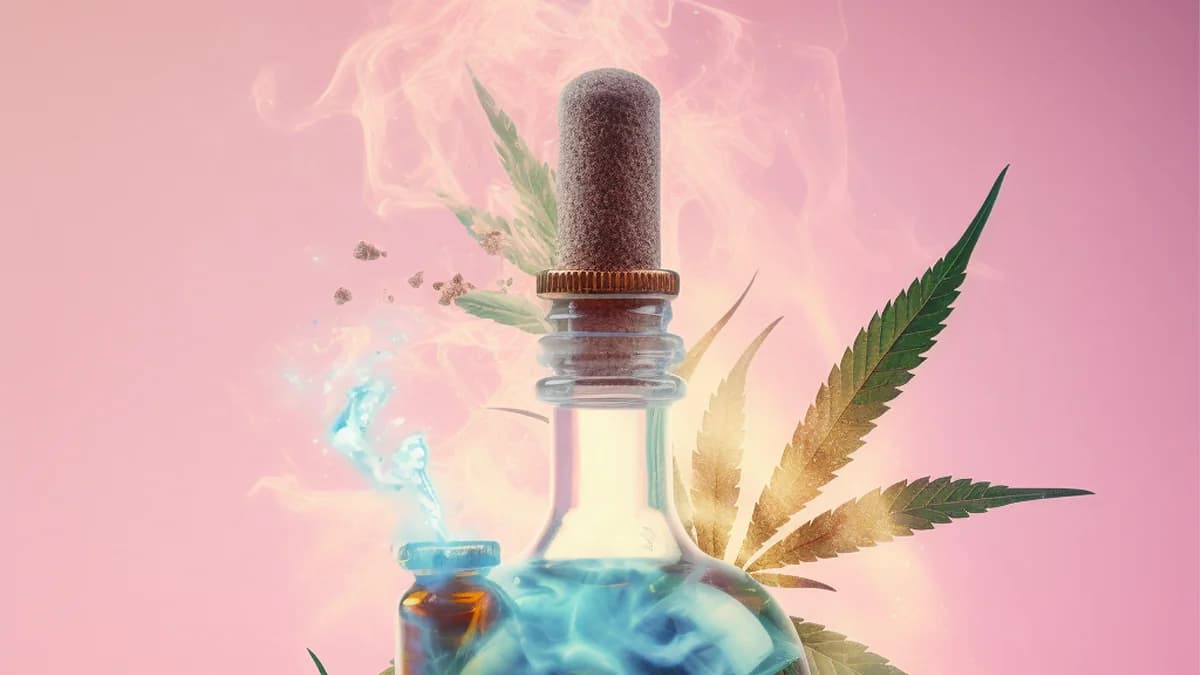
Illustrative bottle, using the listed values for SEYA Full Spectrum 250 mg, 5 ml. This is not a recommended dose. Drop sizes can vary.
The calculation tells you the listed CBD amount in one millilitre of oil. It does not tell you how much to use. Drop sizes can vary, so do not turn mg/ml into “mg per drop” without product-specific information.
| Check | Why it matters |
|---|---|
| Exact product and manufacturer | Identifies the product being assessed |
| CBD amount and units | Distinguishes the total bottle contents from concentration or amount per piece |
| THC information | A CBD label does not establish the absence of THC |
| Ingredients and intended route | Helps distinguish oral products, cosmetics and medicines |
| Batch-linked test report | Connects the test to the actual product; check what was measured and its limits |
| Thai product status | Foreign approvals and a hemp logo do not settle the local regulatory question |
A laboratory report describes the tested sample. It cannot establish that a product will help your condition or guarantee a drug-test result.
Full-spectrum, broad-spectrum and isolate
These labels describe intended composition, not a ranking of medical effectiveness.
- Full-spectrum: an extract intended to retain multiple cannabis compounds, potentially including THC.
- Broad-spectrum: an extract intended to retain multiple compounds while reducing or removing THC. Verify the actual batch rather than assuming none is present.
- Isolate: a preparation intended to contain isolated CBD. Check the finished product and its testing, not just the name.
Read our CBD spectrum guide for the checks behind these labels.
Comparing CBD products in Bangkok
This article includes products sold by our retail partner CBD.co.th. Compare labels and listed prices on the SEYA oil comparison table and these product pages:
CBD.co.th operates inside Fairly Good Cannabis in Khlong Toei, Bangkok, daily from 12 pm to 10 pm. Pickup is available at 1256 Ma Suek Alley, Bangkok 10110. For delivery, the shop confirms stock, coverage, fees and timing in chat before payment.
Browse CBD.co.th products for delivery or pickup. Formulation names and listed CBD amounts are not treatment promises or recommended doses.
Common questions about CBD
Will CBD make me high?
CBD does not produce the characteristic THC high. A CBD product may also contain THC, so check its composition and batch report rather than relying on the word CBD alone.
Is CBD the same as cannabis?
No. Cannabis is the plant. CBD is one of the compounds found in it, alongside THC and other cannabinoids.
How much CBD should I use?
This guide does not recommend a dose. The product, intended route, other medicines and your health history matter. Follow product-specific directions and discuss treatment questions with an appropriately qualified professional.
Can CBD show up on a drug test?
Do not treat a CBD label as a guarantee of passing. A product may contain THC, and test methods and thresholds vary. If a result affects your job or other obligations, do not rely on a seller's assurance.
If you are seeking care in Thailand, bring your product label and treatment questions to an appropriately qualified professional. Our prescription guide explains the assessment process without promising approval.
Expanded 11 October 2026 with beginner comparisons, original Cannabox illustrations and a product-label example. The correction of 6 September 2026 remains: earlier claims that CBD has no side effects, treats cancer or should replace medicines because it is herbal were withdrawn.