How to Find the Ideal Cannabis Strain for Pain Management
Is cannabis good for pain? Yes, about 77 scientific articles have attested to the possible analgesic effects of cannabinoids on chronic pain. The articles demonstrated how medical cannabis use tends...
Is cannabis good for pain?
Over the years, the cannabis industry has grown to recognize the therapeutic potentials of several cannabinoids, including THC, CBD, CBDV, THCV, CBG, CBN, and the list is endless. So far, scientists have identified over 120 cannabinoids, with the majority of them showing possible analgesic effects.
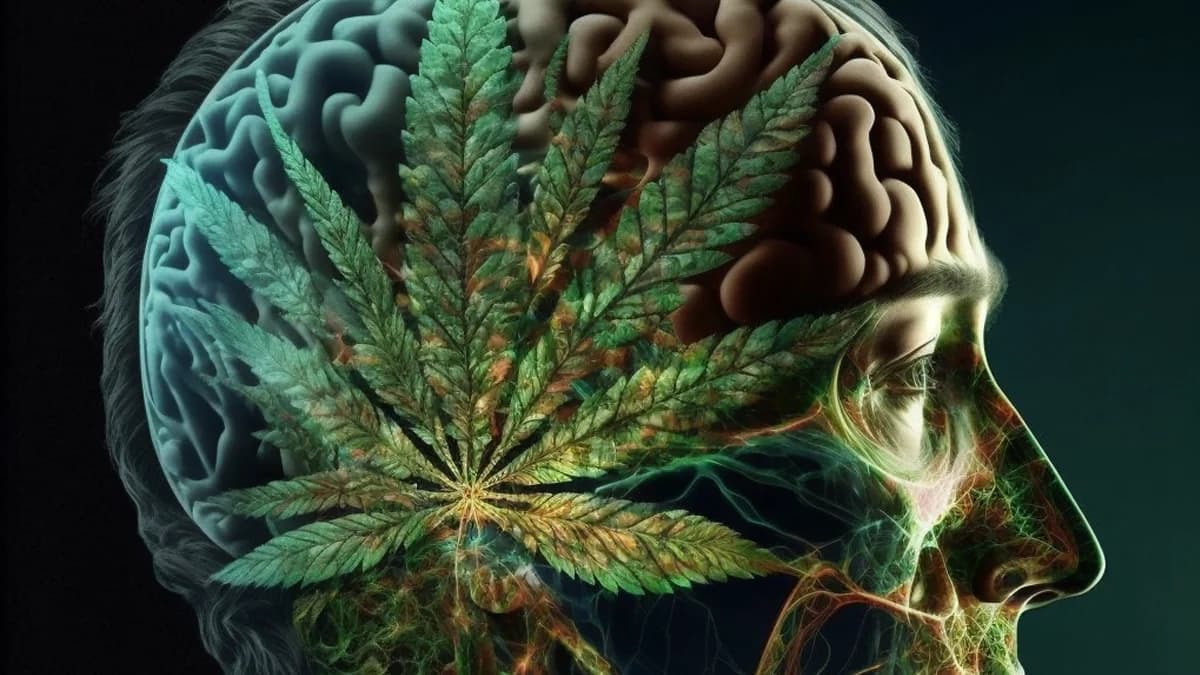
Cannabis and pain management have evolved into an inseparable duo
As more people get interested in the analgesic properties of cannabis, they are faced with the major challenge of choosing the right strain for pain management. This may be supported by the fact that there are over 6000 cannabis strains, each with unique strengths and weaknesses. Before we dive into the step-by-step approach to choosing the right cannabis strain for pain management, it is important we understand how cannabis may work for pain relief.
How does cannabis work for pain?
1. Reducing the sensation of pain
2. Modulating the excitability of post-synaptic neurons
3. Activating descending inhibitory pain pathways
4. Reducing neural inflammation
How to Find the Ideal Cannabis Strain for Pain Management:
1. Target strains with high levels of both THC and CBD.
A THC and CBD balance is highly recommended for pain relief. This is because it triggers an entourage effect and a body high, essential for pain relief. When present, both cannabinoids interact with cannabinoid receptors; CB1 and CB2, to produce their effects. Their interaction can reduce pain sensation in the brain and modulate post-synaptic neurons. Cannabinoids and the ECS also promote a balance in serotonin and dopamine levels.
2. Don’t leave out the terpenes.
Always insist on terpenes like myrcene, beta-caryophyllene (BCP), and humulene. While terpenes have been relegated to the background and often neglected by many cannabis users, it is important to note that they play important roles in determining the overall cannabis experience. Myrcene, BCP, and humulene promote the therapeutic effect of cannabinoids and also provide pain relief. They are capable of acting singly or in synergism with terpenes.
When finding the right strains to address physical pain, you should check if the strains you are getting contain one or more of these terpenes the help with pain management”
When you are buying cannabis specifically for pain management and relief, you need to check if the strains you are getting have these terpenes to guarantee better pain management results.
Why are terpenes important for pain relief? Here is a brief summary on some important terpenes and how they can affect your overall cannabis experience.
Myrcene: Known for its anti-inflammatory and analgesic properties, it can help with muscle relaxation and pain relief.
Beta-Caryophyllene (BCP): This terpene is unique for its ability to bind to CB2 receptors in the endocannabinoid system. It also offers anti-inflammatory effects, which can be beneficial for pain management.
Limonene: Along with its uplifting citrus scent, has anti-inflammatory properties that can contribute to pain relief.
Linalool: Found also in lavender, linalool has calming effects and anti-inflammatory properties that can aid in relieving pain.
Pinene: This terpene has anti-inflammatory properties and may also help improve airflow to the lungs, potentially aiding in pain relief.
Humulene: Known for its anti-inflammatory effects, humulene may be beneficial in pain management.
Terpinolene: Terpinolene interacts with the CB1 and CB2 receptors, and “the acute administration of terpineol produced the antidepressant-like effect” on mice.
3. Experiment with indica-dominant hybrids
Indica-dominant hybrids are known to provide full-body relief. Their balanced level of THC and CBD creates a synergy between the psychotropic effect of THC and the relaxing effect of CBD. This is essential for a body high and deals with pain effectively.
4. Microdose
The key to a successful cannabis experience is to start small and go slow. Once you identify a strain with the right combination of cannabinoids and terpenes, you can start your journey by using small doses and monitoring the effects. Keep doing this until you experience the best effect, then stick to it.
Note that cannabinoids offer different effects based on their dosage. This is why dosing is very important. Make sure you find your sweet spot.
What are the most effective cannabis strains for pain management and relief?
We have listed our 12 most popular pain management strains with their dominant terpenes listed from left to right
Charlotte’s Web : myrcene, limonene, linalool, caryophyllene, and pinene
Blueberry : myrcene, caryophyllene, limonene, pinene, and humulene
Bubba Diesel : myrcene, caryophyllene, limonene, linalool, and pinene
Granddaddy Purple : myrcene, caryophyllene, limonene, linalool, and pinene
White Widow : myrcene, caryophyllene, limonene, linalool, and pinene
Super Lemon Haze : myrcene, caryophyllene, limonene, linalool, pinene and terpinolene
Blue Dream : myrcene, limonene, linalool, caryophyllene, and pinene
Northern Lights : myrcene, caryophyllene, linalool, and pinene
Ghost Train Haze : myrcene, limonene, terpinolene
Afghan Kush : myrcene, caryophyllene, and limonene
Cannatonic : myrcene, Limonene, and Pinene
Harlequin : myrcene, and limonene
These strains also show a balanced cannabinoid combination between THC and CBD which makes them legal and with less psychotropic effects on users.
At Cannabox, we have curated some cannabis strains which have been reported to help manage pain because of the Cannabinoids, terpene profiles and flavonoids associated with pain relief.
Today we putting a spotlight on one of our dispensary partners to offer you the best combination of Cannabinoids, terpenes and flavonoids to help your pain management:
Charlotte’s Web Strain from SIAM GREEN CANNABIS, Bangkok
Cannabox selected this strain for its high CBD ratio of 12% and its unique terpene profile, including myrcene, limonene, linalool, caryophyllene, and pinene. This combination provides therapeutic benefits without the euphoric effects typically associated with THC, thanks to its low THC level of just 1%.
Are there side effects when using cannabis for pain management?
So far, scientists have yet to identify a life-threatening side effect when using cannabis for pain management. However, Indica strains are mostly linked to body highs, which may overwhelm first-time users. This is why microdosing is very important. In most cases, people who use the wrong dose may green out from the experience.
In addition, combining pain relief medication with cannabinoids may lead to drug-drug interaction with harmful effects.
Conclusion
Cannabis has established itself as a viable option for pain management, with a rich array of cannabinoids and specific terpenes like myrcene, caryophyllene, and limonene playing key roles in pain relief. Through their synergistic effects, these compounds can reduce pain sensations, modulate neural activity, and decrease inflammation. The selection of the right strain, such as those curated by Cannabox, and careful consideration of THC and CBD ratios, terpene profiles, and mindful dosing can provide targeted and effective relief for various pain conditions. The scientific backing and growing acceptance of cannabis as a therapeutic tool underscore its potential as a valuable resource for those suffering from chronic pain.
Have you ever tried cannabis for pain management? Tell us about your experience.
Frequently Asked Questions
To get a medical cannabis prescription in Thailand, you need to consult with a licensed medical practitioner (doctor, psychiatrist, or traditional Thai medicine practitioner). You can book a consultation through our platform at Cannabox MD, where you'll have a virtual or in-person consultation to discuss your condition and determine if medical cannabis is right for you.
Yes, medical cannabis is legal in Thailand as of 2025. However, it requires a valid prescription from a licensed medical practitioner. Recreational use without a prescription is illegal. The new regulations require all cannabis purchases to be accompanied by proper medical documentation.
Medical cannabis in Thailand can be prescribed for various conditions including chronic pain, anxiety, depression, PTSD, insomnia, epilepsy, cancer-related symptoms, and other qualifying medical conditions. Your doctor will evaluate your specific situation during the consultation to determine if you qualify.
Medical cannabis prescriptions in Thailand typically last for 30 days, after which you'll need a follow-up consultation to renew your prescription. This ensures proper monitoring of your treatment and allows your doctor to adjust your treatment plan as needed.
No, under the new 2025 regulations, medical cannabis prescriptions are only available to Thai residents and those with valid long-term visas. Cannabis tourism has been explicitly prohibited by the Thai government. Tourists attempting to purchase or possess cannabis without proper authorization face legal consequences.
With a valid prescription, you can access various medical cannabis products including flowers (buds), oils, tinctures, capsules, and topicals. The specific products and dosages will be recommended by your doctor based on your medical condition and treatment needs.